Planning the menu is one of the most exciting parts of putting together an Indian wedding, and also one of the most overwhelming. Guests remember the food. They talk about it for years after the big day is over. So if you're trying to figure out the best Indian dishes for weddings, you're already asking the right question, because the food you choose says as much about your celebration as the decor or the venue.
At Masala Mingle, we've catered enough weddings across Brisbane and the Gold Coast to know that couples usually want the same thing: a menu that feels authentic, generous, and a little bit unforgettable. This guide walks through the popular Indian dishes for wedding menus, the traditional Indian food weddings are built around, and a few modern additions that are winning over guests right now.
Start With the Right Starters
The first bite sets the tone for the whole event. Guests are usually mingling, catching up with people they haven't seen in a while, and starters need to be easy to eat while standing and holding a drink.
Paneer tikka is close to a non-negotiable at any Indian wedding. Cubes of paneer marinated in yoghurt and spices, grilled until the edges char slightly, served with mint chutney. It's vegetarian, it's crowd-pleasing, and it photographs beautifully if that matters to you.
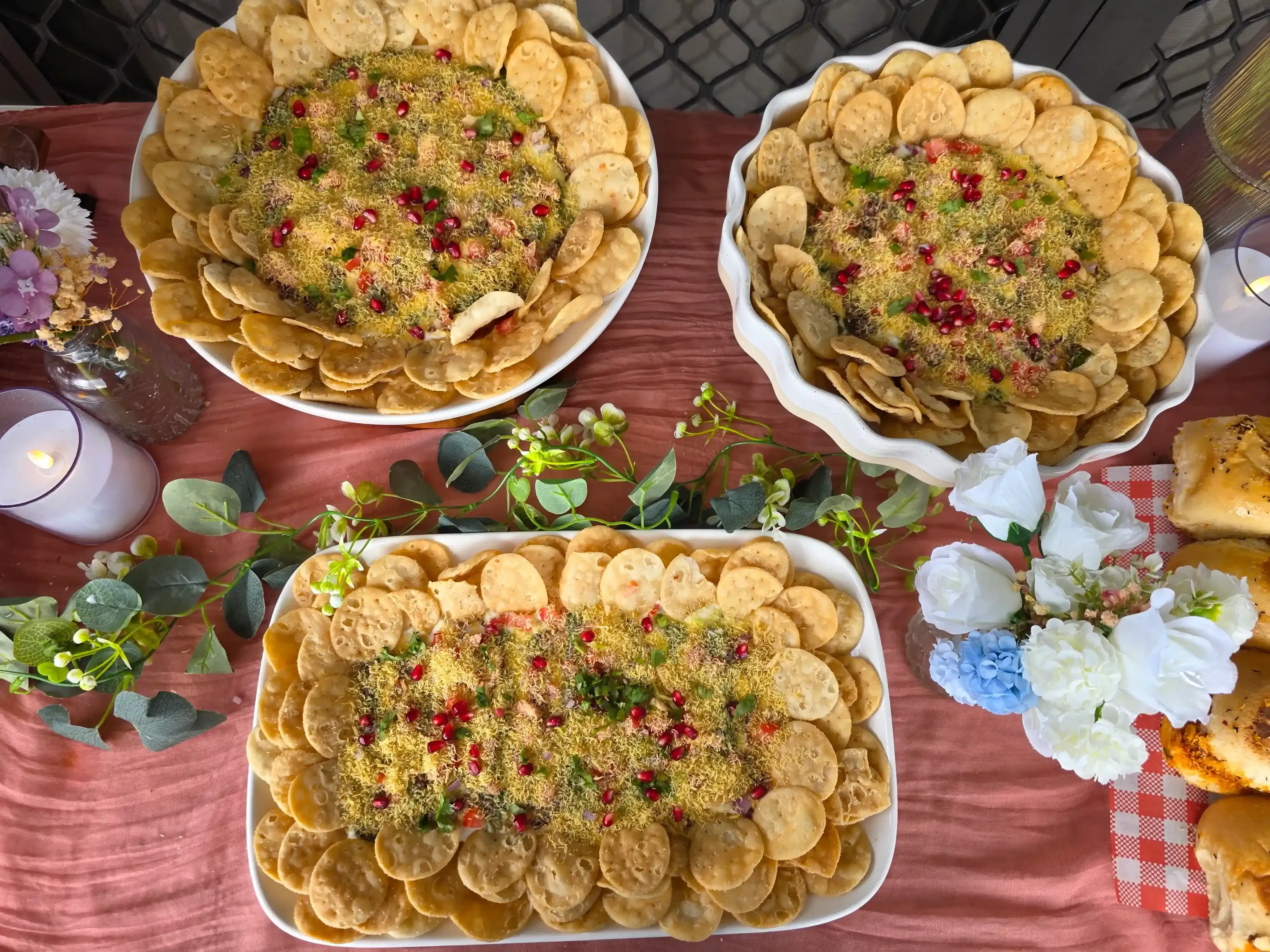
Samosa chaat brings a bit of theatre to the starter course. Crispy samosas broken up and topped with chickpeas, yoghurt, tamarind chutney, and a scatter of sev. It's tangy, spicy, and sweet all at once, which is exactly why guests keep going back for seconds.
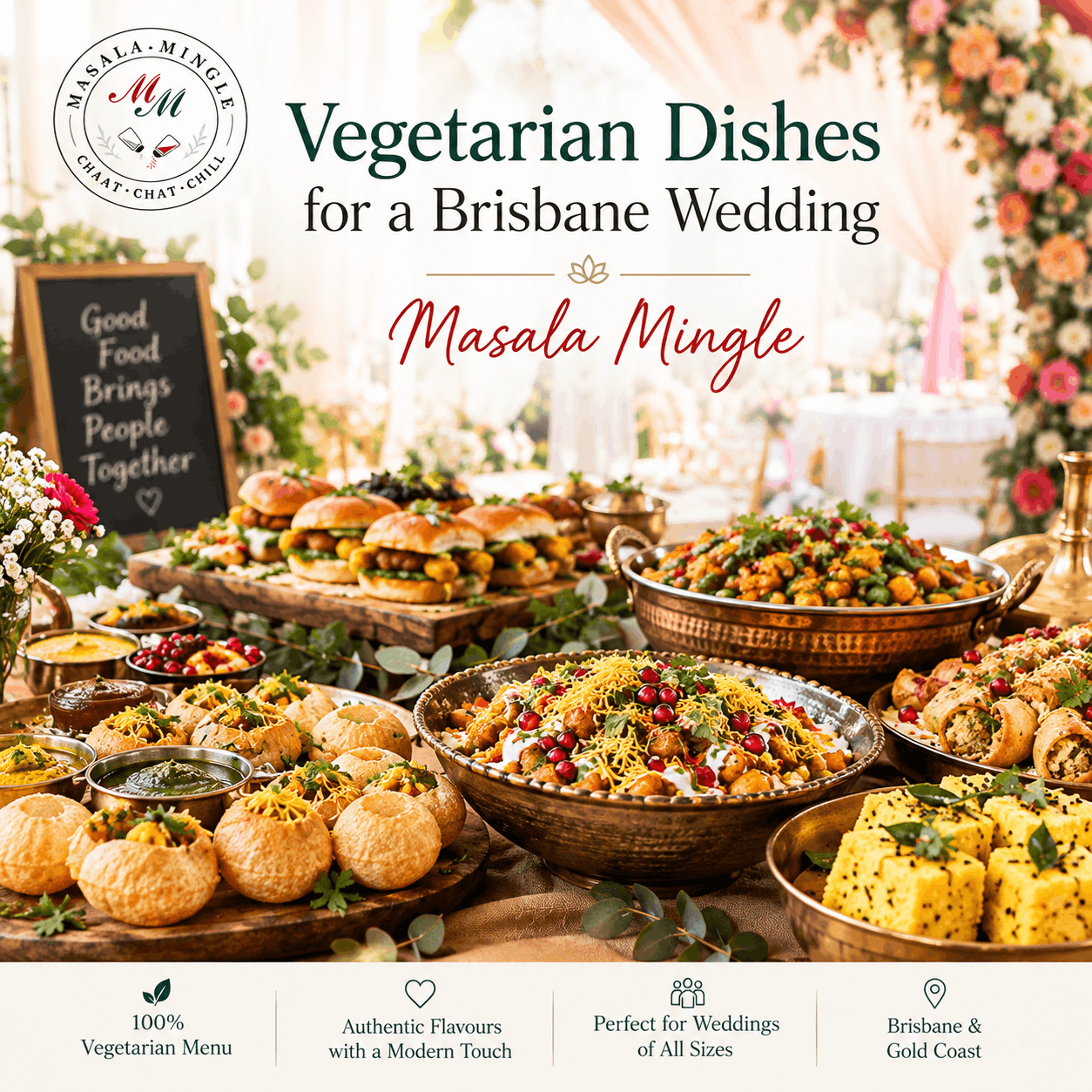
Dahi puri and golgappa work brilliantly as part of a live chaat station. There's something about watching your food get assembled in front of you that makes an event feel special, and chaat stations have become one of the most requested additions we get asked about for Indian wedding food Brisbane couples are planning.
Vegetable seekh kebabs round out a strong starter lineup. Spiced and grilled, they give guests something warm and hearty before the mains arrive.
Traditional Mains That Never Go Out of Style
When people think about traditional Indian food weddings have served for generations, this is the course they're picturing. These are the dishes grandparents expect to see and the ones that carry real sentimental weight.
Paneer butter masala is the dish most likely to have every single guest asking for the recipe. Rich, tomato-based, slightly sweet, and mild enough for guests who aren't used to heavy spice.
Dal makhani is comfort food in its purest form. Slow-cooked black lentils and kidney beans, finished with butter and cream. It takes time to make properly, but that slow cooking is exactly what gives it that deep, smoky flavour.
Chole brings a punch of tang and spice that balances out the richer dishes on the table. Paired with bhature or rice, it's a dish that shows up at nearly every Punjabi wedding for good reason.
Malai kofta is often the dish reserved for guests who want something a little more indulgent. Soft paneer and potato dumplings in a creamy, mildly sweet gravy.
Vegetable biryani deserves its own mention because it's practically a meal on its own. Fragrant basmati rice layered with vegetables and whole spices, it's the dish that fills up even the guests who claim they're "not that hungry."
If you're building a menu around what's traditional, these five dishes are the backbone. Everything else is where you get to add your own personality.
Breads That Bring the Table Together
No Indian wedding menu feels complete without fresh bread, and honestly, half the joy of the meal is using it to scoop up everything else.
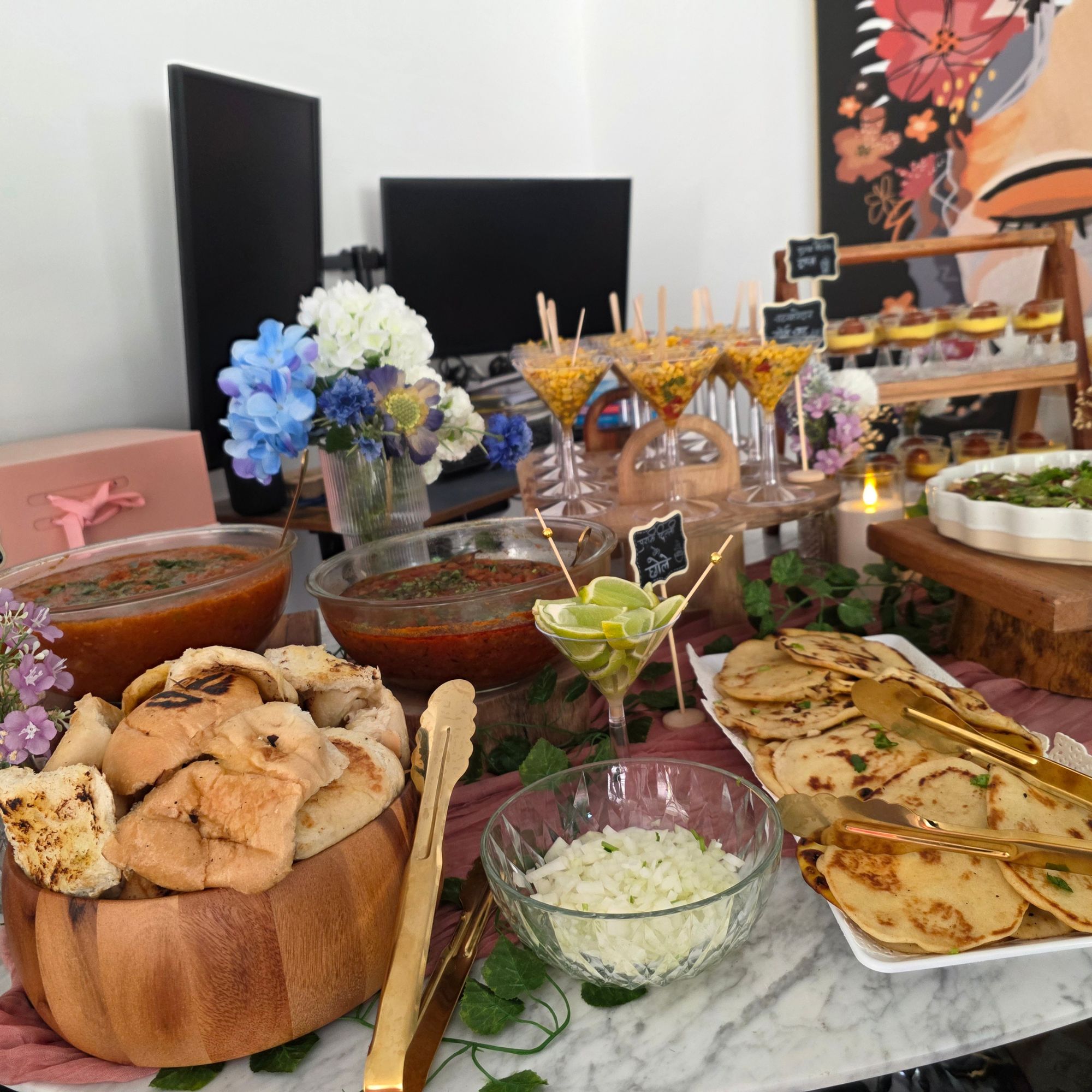
Butter naan is the crowd favourite, soft, slightly charred, brushed with ghee. Laccha paratha offers a flakier, layered alternative that pairs especially well with the richer curries. Kulcha stuffed with spiced potato or paneer works well if you want to give guests something a bit different from the usual naan basket.
A live bread station, where guests can watch naan being rolled and cooked to order, adds a sensory element to the meal that plated bread just can't match.
Desserts to End the Night on a High Note
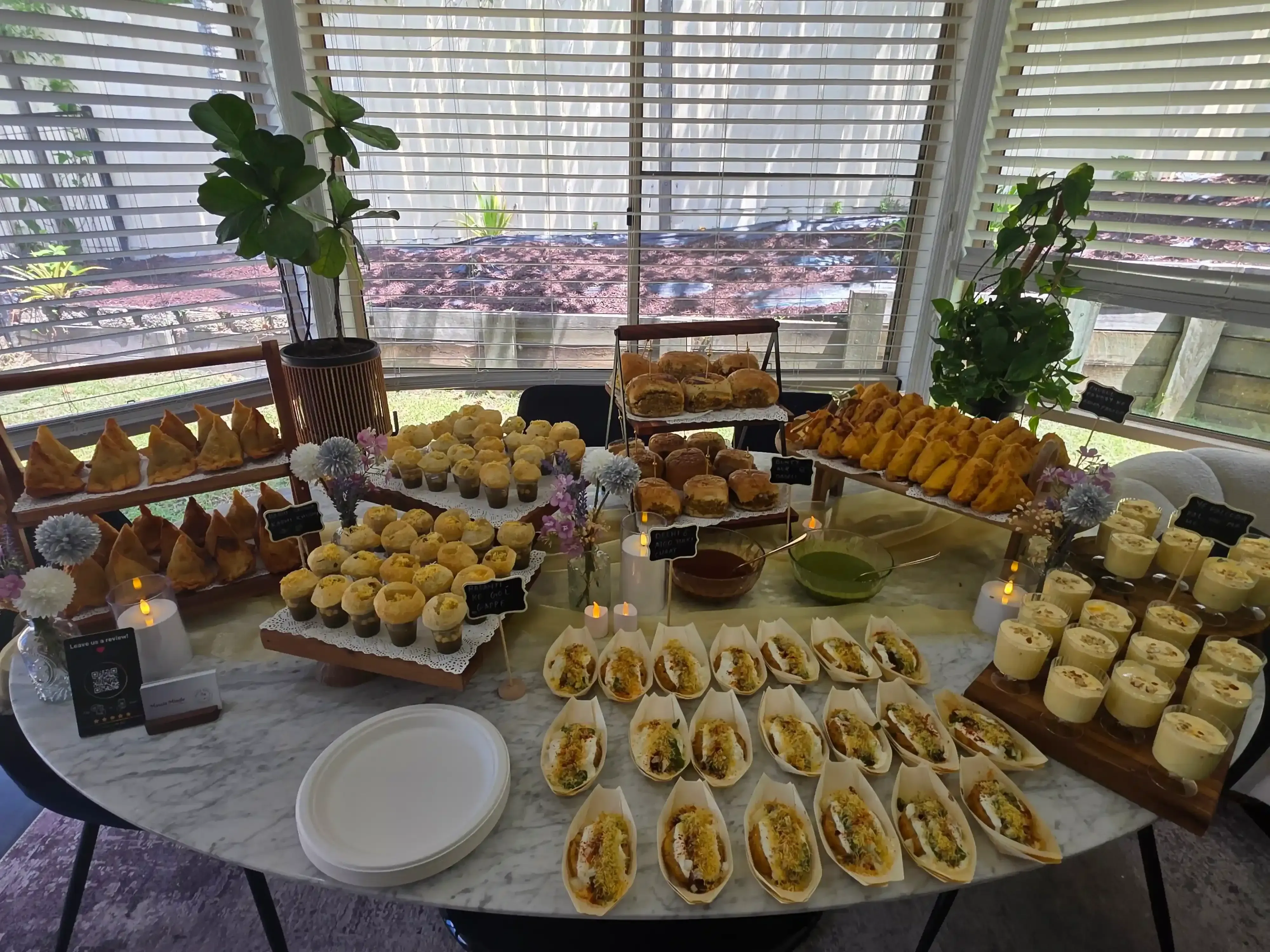
Indian sweets carry a lot of emotional weight at weddings. They're tied to celebration, to good luck, to the idea of starting something sweet.
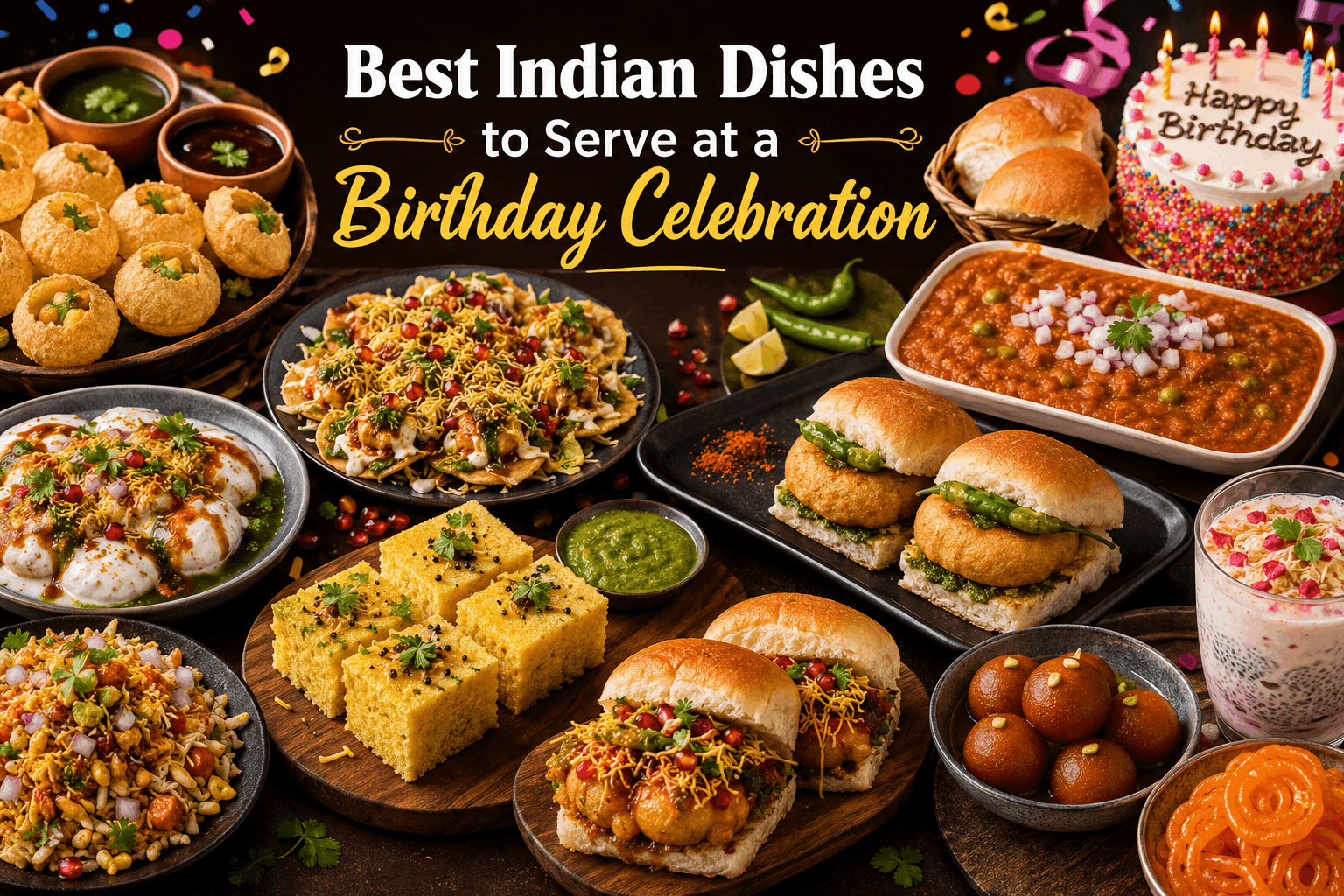
Gulab jamun is the dessert most guests will remember. Soft, deep-fried dumplings soaked in rose or cardamom-scented sugar syrup. Rasmalai offers something lighter, soft paneer discs in sweetened, thickened milk flavoured with saffron and pistachio. Kheer is the classic rice pudding that shows up at nearly every celebration for a reason: it's simple, comforting, and universally loved. Jalebi, with its crisp, syrup-soaked spirals, adds a bit of fun and colour to the dessert table, especially when served warm.
Why Grazing Tables Are Changing the Way Couples Serve Food
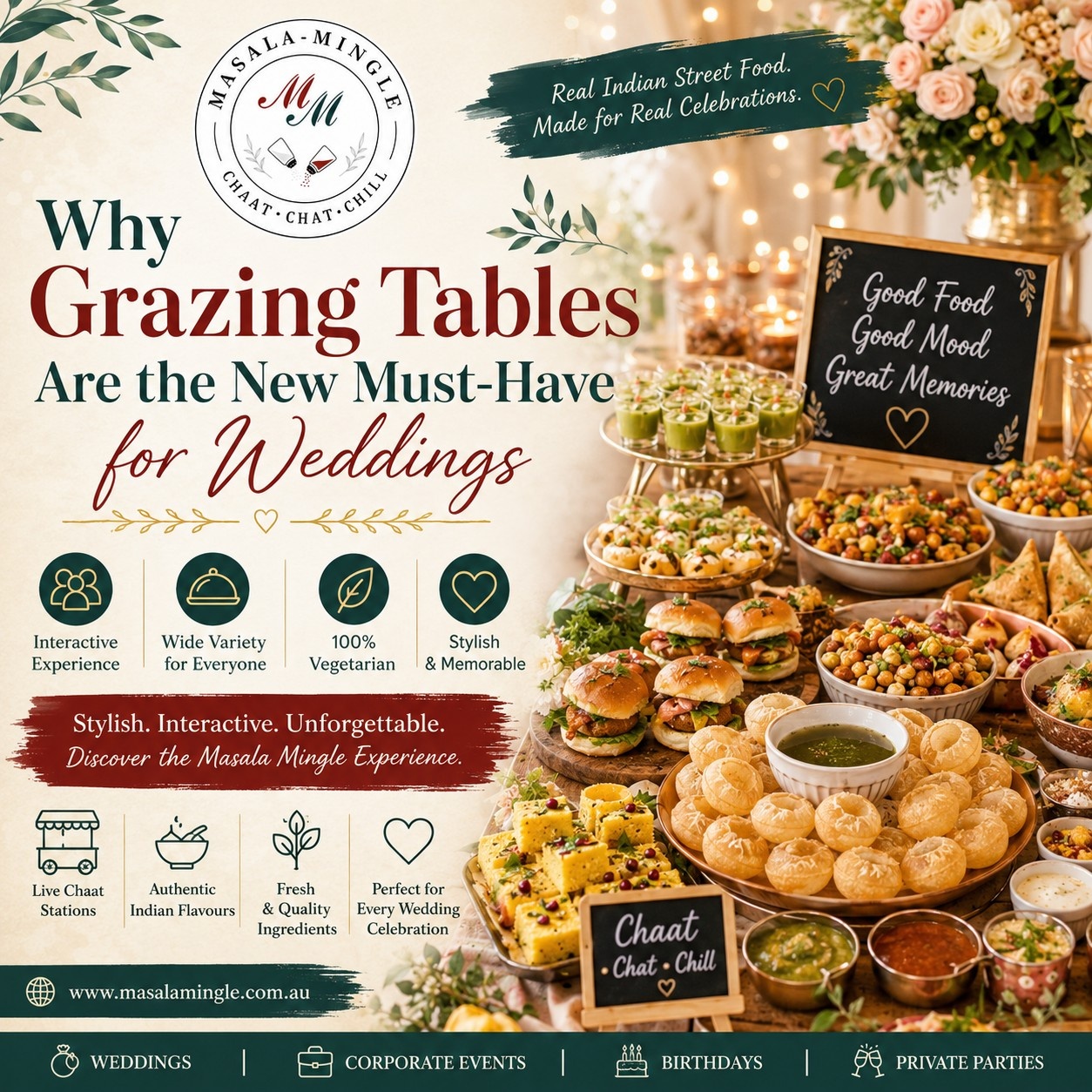
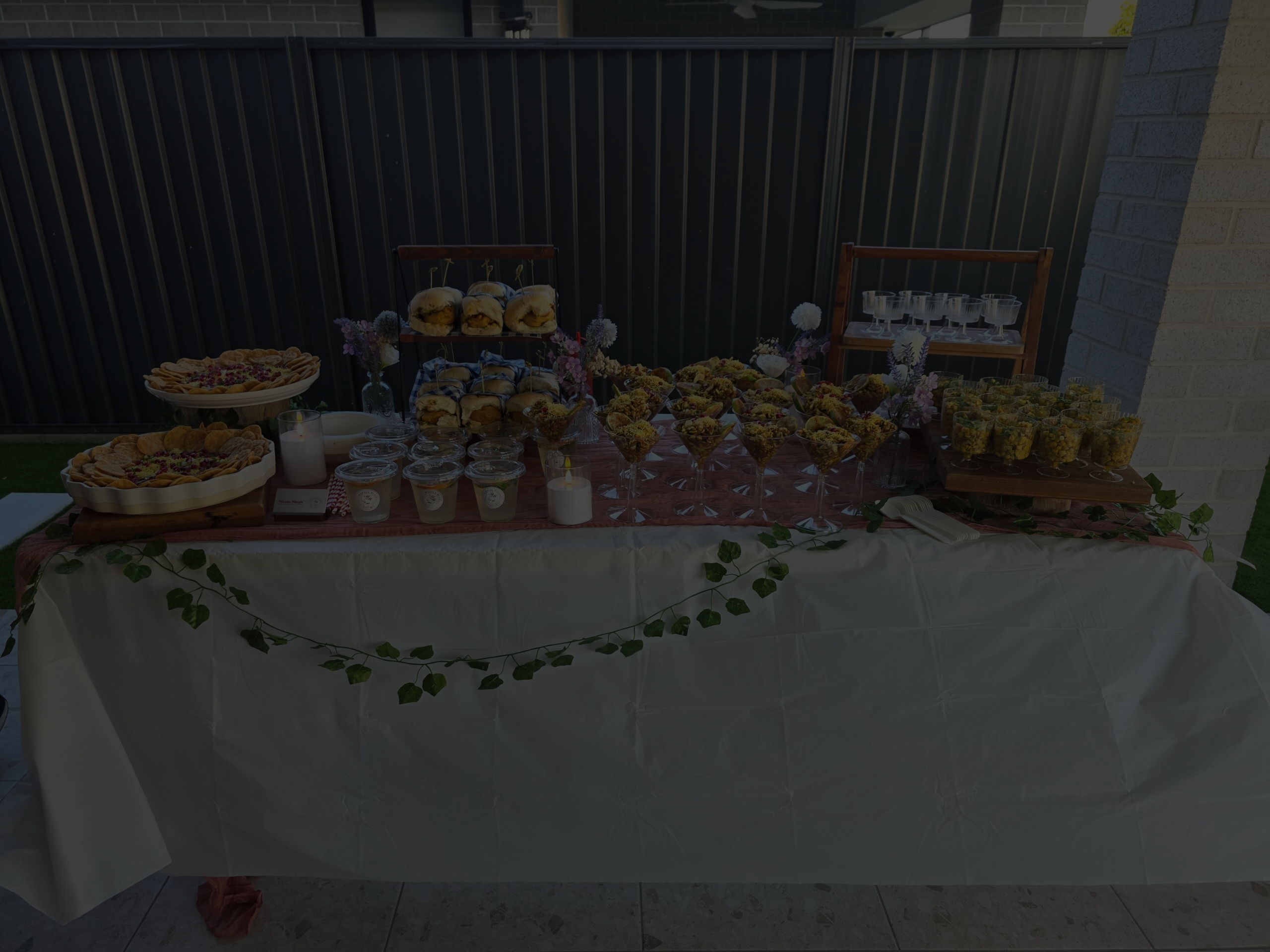
If you've been to a wedding in the last couple of years, chances are you've seen a grazing table, and if you haven't, you're about to see a lot more of them. Grazing table catering Brisbane couples are booking has grown fast, and it's easy to see why. Instead of a single starter course, guests get a beautifully styled spread they can wander over to throughout the evening.
A vegetarian Indian grazing table might include mini samosas, paneer skewers, stuffed papadums, chutneys, pickles, fresh naan bites, and a mix of textures and colours that make for a genuinely striking centrepiece. It works especially well for cocktail hour or as an addition alongside a traditional sit-down meal, giving guests something to enjoy while photos are being taken or speeches are being organised.
Grazing tables also solve a practical problem. They keep guests fed and happy during the gaps in the schedule that every wedding day inevitably has, without needing extra serving staff hovering with trays.
Building a Menu That Works for Everyone
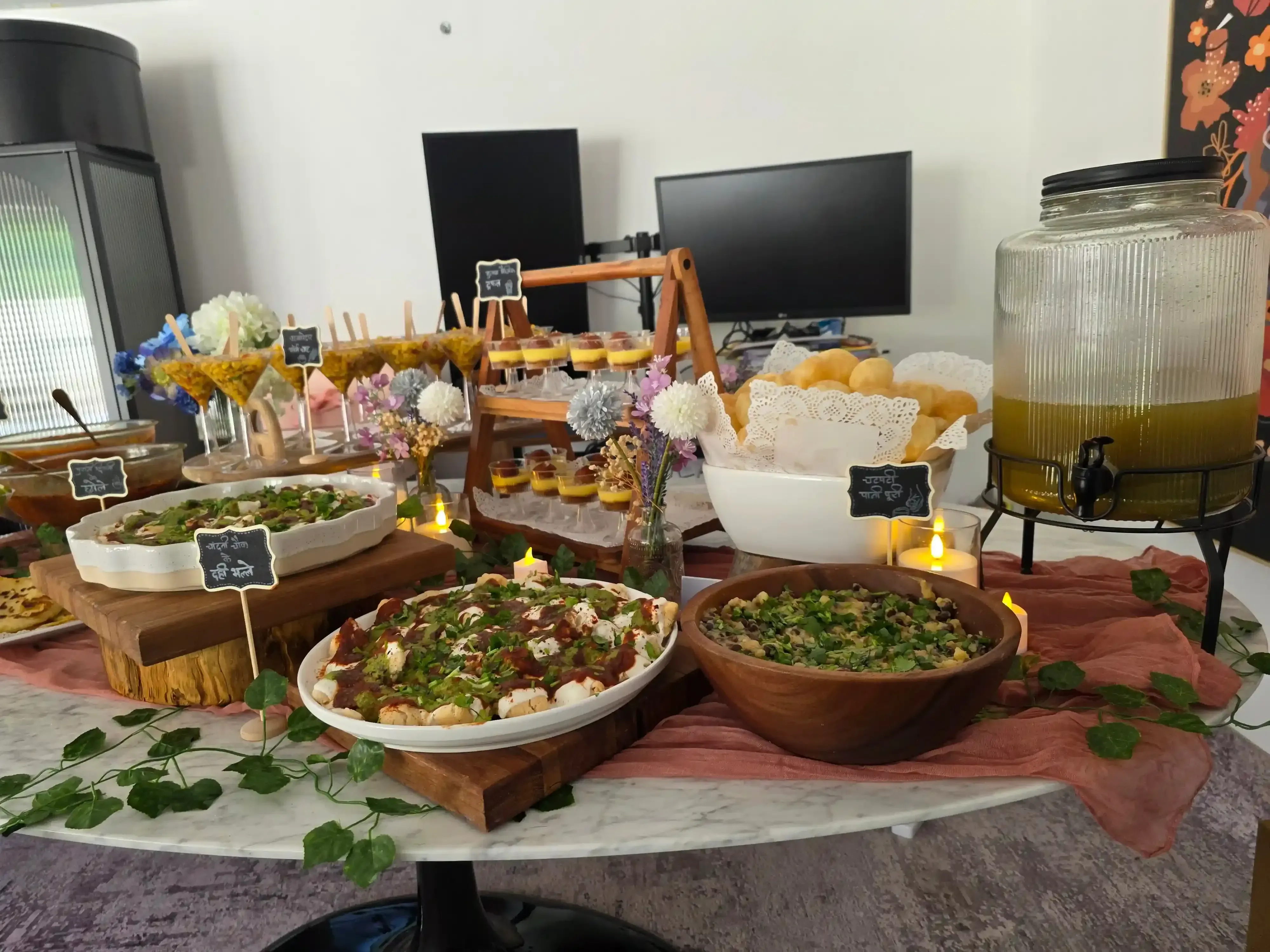
One thing we hear constantly from couples is the worry about pleasing every kind of guest, the ones who love heat, the ones who don't, older relatives who want tradition, and friends who are trying Indian food for the first time. The good news is a well-balanced vegetarian Indian wedding menu can genuinely do all of that.
Start with two or three starters that range from mild to spicy. Choose three to four mains so there's a mix of rich, tangy, and comforting options on the table. Include at least one dish, like plain dal or a simple raita, that acts as a palate reset between richer courses. And always, always have enough naan.
Why Vegetarian Catering Works So Well for Indian Weddings
Vegetarian Catering Brisbane couples ask us about most often isn't a compromise, it's often the preferred choice. Indian vegetarian cuisine is naturally rich, varied, and satisfying enough that Optional reword. Paneer, lentils, chickpeas, and a wide range of vegetables give you enough variety to build a full multi-course menu without repeating textures or flavours.
It also tends to be a safer, more inclusive choice for mixed guest lists. Vegetarian dishes are easier to adapt for guests with dietary restrictions, and they photograph just as beautifully as anything else on the table.
Final Thoughts
If you're still narrowing down your options, start with the traditional Indian food weddings have always leaned on, paneer butter masala , and gulab jamun, and then build outward from there. Add a chaat station if you want interaction, a grazing table if you want something visually striking, and always leave room for guests to come back for seconds.
Getting the balance right between tradition and something a little more current is really what makes a wedding menu memorable. If you're planning a wedding in Brisbane or on the Gold Coast and want a menu built around exactly this kind of balance, we'd love to help you put it together.
Frequently Asked Questions
What is Indian street food catering?
It's a style of catering that brings popular street-style dishes, like pani puri, bhel puri, and aloo tikki, to an event, often served fresh from live stations rather than pre-plated on trays.
What is a live chaat cart, and how does it work at a wedding?
A live chaat cart is a mobile station where a chef assembles chaat dishes to order in front of guests. At a wedding, it usually runs during cocktail hour, giving guests something interactive to enjoy while they mingle before the main course.
How many dishes should be on an Indian wedding menu?
A focused menu works better than an overloaded one. A good structure is a couple of street food or chaat items for cocktail hour, then one paneer dish, one lentil dish, one vegetable curry, rice, and bread for the main course, followed by two or three desserts.
Is Indian wedding catering suitable for vegetarian guests?
Yes. Many classic Indian wedding dishes, like paneer butter masala, dal makhani, and chana masala, are naturally vegetarian, which makes it easier to cater to mixed dietary requirements without a separate menu.
Can a live chaat cart be timed to fit a tight wedding schedule?
Yes, but it takes an experienced caterer to manage. It's worth asking any caterer you're considering how they've handled live stations at past weddings, so the cocktail hour flows smoothly into the reception without delays.